Water analysis is a vital process used to evaluate water quality through various scientific testing methods. It helps determine the presence of contaminants, assess chemical composition, and ensure overall safety. This process is essential for protecting public health, maintaining environmental balance, and meeting regulatory standards.
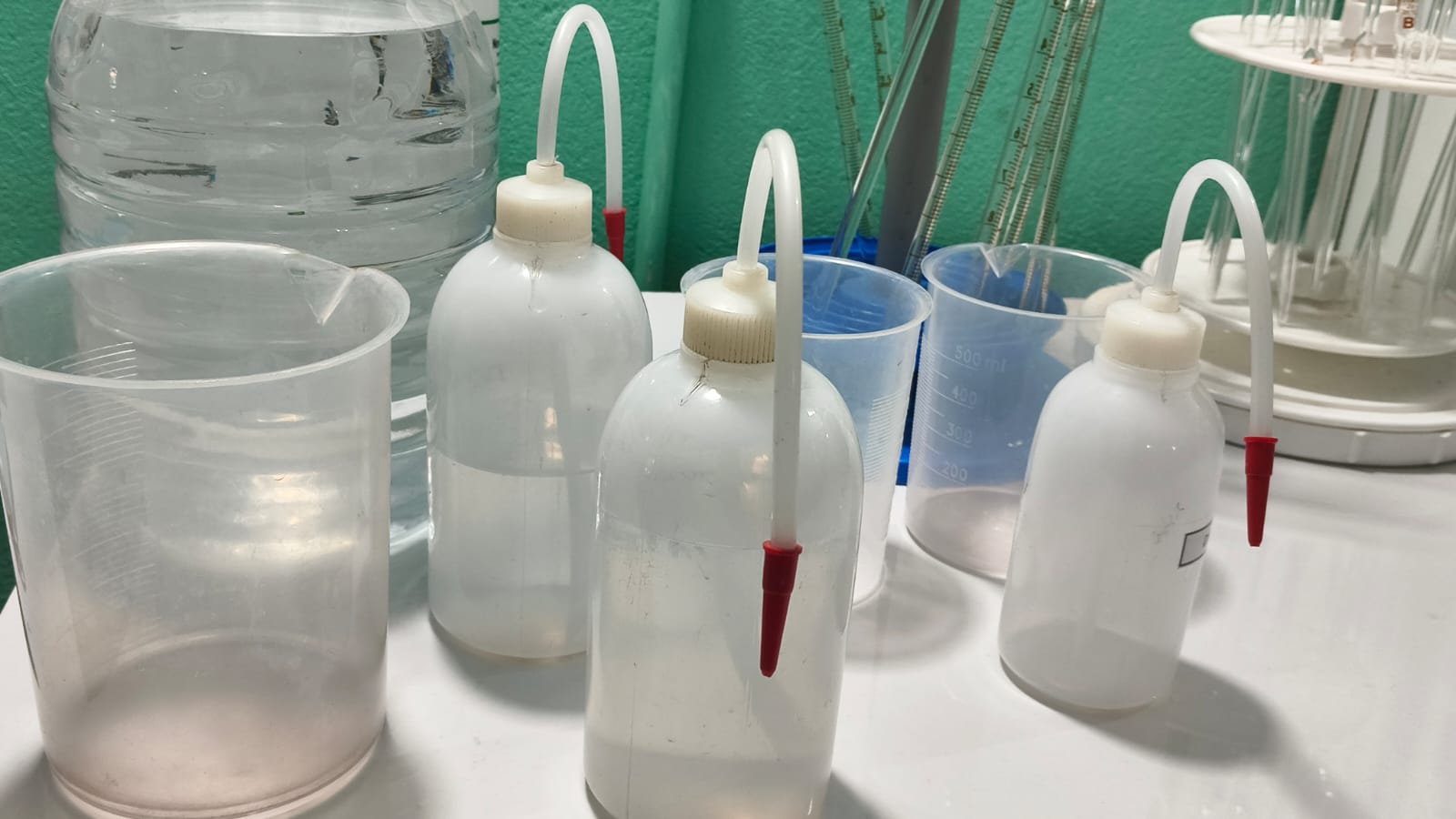
The primary goal of water analysis is to provide accurate information about water conditions so that appropriate actions can be taken when contamination or imbalance is detected.
Water Analysis
Water analysis is the process of testing and evaluating water quality to detect contaminants, understand its chemical composition, and ensure it is safe for use. It involves various physical, chemical, and biological tests that help identify pollutants such as bacteria, heavy metals, and harmful substances, supporting public health, environmental protection, and regulatory compliance, especially when conducted by a reliable water testing lab near me.
Impact of Water Quality on Human Health
Water quality directly impacts human health. Contaminated water can lead to serious illnesses, including waterborne diseases caused by bacteria, viruses, and harmful chemicals. Regular testing helps in the early detection of pollutants such as heavy metals and pathogens.
By identifying risks early, authorities and communities can take preventive measures, ensuring safe drinking water and reducing the chances of disease outbreaks.
Role in Environmental Protection
Water analysis is equally important for environmental monitoring. Natural water bodies like rivers, lakes, and groundwater are often affected by pollution from agriculture, industries, and human activities.
Through continuous testing, scientists can track changes in water quality, assess ecosystem health, and implement conservation strategies to protect aquatic life and biodiversity.
Regulatory Compliance and Standards
Governments and environmental agencies have established strict regulations to ensure water safety. Regular testing is required to confirm that water meets these standards for both human use and environmental protection.
Water testing laboratories play a key role by providing accurate data and reports, helping authorities enforce laws and maintain water quality standards.
Significance of Water Quality Testing
Water quality testing is essential for identifying harmful substances that may not be visible. Contaminants such as heavy metals, chemicals, and microorganisms can pose serious health risks if left undetected.
Testing also helps communities and cities manage water systems effectively, ensuring that water supplied to the public remains safe and within acceptable limits.
Impact on Ecosystems
Clean water is crucial for maintaining healthy ecosystems. Pollutants can disrupt aquatic environments, leading to loss of biodiversity and damage to habitats.
For example, excess nutrients from fertilizers can cause algal blooms, reducing oxygen levels in water and harming aquatic organisms. Regular monitoring helps prevent such environmental issues.
Physical Testing Methods
Physical tests evaluate visible and sensory characteristics of water such as turbidity, color, odor, and temperature.
High turbidity indicates suspended particles, while unusual color or odor may signal contamination. Temperature also plays a role in chemical reactions and aquatic life health. These tests serve as the first step in water quality assessment.
Chemical Testing in Water Analysis
Chemical tests identify dissolved substances and pollutants in water. These include total dissolved solids (TDS), heavy metals like lead and mercury, and nutrients such as nitrates and phosphates.
Advanced techniques like spectroscopy and chromatography are used to detect even trace amounts of contaminants, ensuring accurate and reliable results.
Biological and Microbial Testing
Biological testing focuses on detecting microorganisms such as bacteria, viruses, and parasites. One of the most important indicators is the presence of coliform bacteria, especially E. coli, which signals possible contamination from fecal matter.
Modern methods like PCR allow faster and more precise detection, helping prevent waterborne diseases and ensuring public safety.
Advanced Technologies in Water Testing
Technological advancements have significantly improved water analysis. Techniques like spectroscopy and chromatography provide highly accurate results, while automated sampling systems ensure consistency.
Emerging technologies such as IoT-based sensors and real-time monitoring systems are transforming how water quality is tracked, allowing quicker responses to potential issues.
Laboratory Standards and Quality Assurance
Water testing laboratories follow strict quality standards to ensure accurate results. Many labs comply with international standards such as ISO 17025, which ensures proper testing procedures and reliability.
Quality control measures, equipment calibration, and regular performance checks are essential to maintain consistency and trust in test results.
Future of Water Analysis
The future of water analysis lies in innovation and technology. With growing challenges like climate change, pollution, and population growth, the need for efficient water monitoring is increasing.
Advanced tools such as real-time sensors, automation, and data analytics will play a major role in improving water quality management and ensuring sustainable water resources.
Conclusion
Water analysis is fundamental for ensuring safe drinking water, protecting ecosystems, and maintaining public health. Through regular testing and advanced technologies, we can detect contamination early and take necessary actions.
As challenges continue to evolve, strengthening water analysis systems will be key to securing clean and safe water for future generations.
